Suicide Lifeline: If you or someone you know may be struggling with suicidal thoughts, you can call or text the U.S. National Suicide Prevention Lifeline at 988 or chat online any time of day or night.
San Diego City College student Vaenette Godinez recalled a memory from when she was younger that led her to seek help with her own struggles with depression and anxiety.
“I had a friend when I was in high school who was 14, 15 years old who committed suicide,” said Godinez, a psychology major and member of the mental health advocacy student group Active Minds. “It was a game changer for me in the sense of what I want to do with my life and where to go.”
Godinez’s experience led her to promote awareness of mental health resources and provide support to students, letting them know there is always someone to talk to.
“Being a part of Active Minds, I want to be that,” Godinez said. “Everyone is so quiet about the issue because they don’t want to bother anyone, don’t want to worry anyone. But it’s okay to not be okay.”
September was National Suicide Prevention Awareness Month, and the City College Student Health Center hosted its annual “Change the Narrative” event in Gorton Quad as an effort to educate students on the topic.
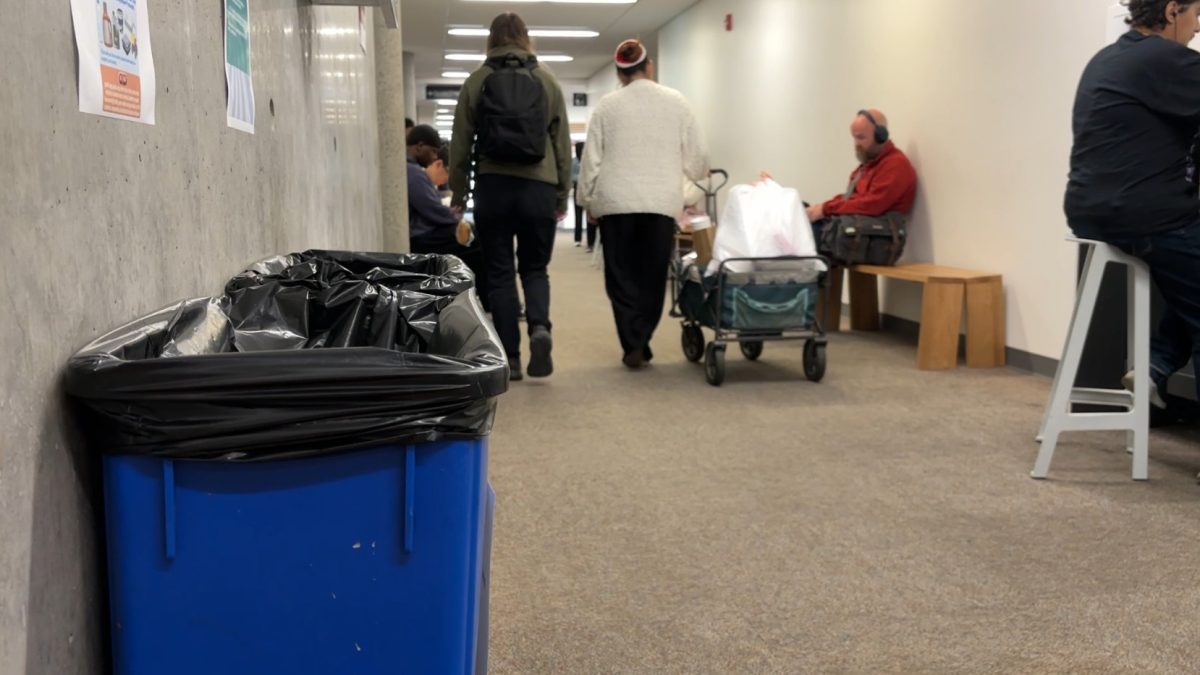
Can’t see the video? Click here. To view the transcript, click here.
Abby Weisman, a mental health counselor, hopes to educate not just students who personally struggle with mental health challenges.
“If you have a friend or loved one that is having suicidal thoughts or having a hard time, you’ll be a little bit more equipped to be able to support them,” Weisman said. “We know that when we suffer in silence that’s really more dangerous than sharing our suicidal thoughts and feelings.”
She aims to connect with students who experience mental health struggles but have no suicidal thoughts as a way to help them before their health declines.
“If you are struggling with any sort of mental health issues that go untreated for a long time, it can turn into despair or loss, which then can become feelings of not wanting to be here,” Weisman said.
In California, the advocacy of suicide prevention has been shown to be beneficial, according to a 2025 Edsource report.
Despite California having the lowest suicide rates for youths in comparison to the rest of the country, adolescents in California still struggle with mental health, according to the report.
“For young adults age 18 to 24, more than 30% reported having had suicidal thoughts in their lifetime, of whom nearly a third had also attempted suicide,” the report said.
According to a fall 2024 student profile report from the San Diego Community College District, students aged 18 to 24 make up 58% of City College’s population.

Changes in California have been made to make resources more available, such as pledging $16.3 million to community-based organizations focused on preventing suicide and the Never a Bother campaign that supplies aid to high-risk populations around California, according to the report.
Multiple organizations attended the recent suicide prevention event, including community-based outpatient and counseling programs Adult Outpatient Facilities and San Diego Youth Services.
These services offer low-cost and free services, crisis intervention, walk-ins, and medication to those in need.
The San Diego Veterans Association, an organization that seeks to offer options of physical, psychological and spiritual health care to veterans, was also in attendance at the fair.
Douglas J. Smith, a veterans association representative who served in the military, said he struggled with drugs, alcohol, homelessness and at one point, tried to take his own life.
Finding support from someone who has been through a similar experience can encourage those who could have difficulty sharing to seek help, according to Smith.
“My lived experience allows me to connect with other veterans in a way that’s at the ground floor,” Smith said. “I’m not a government employee. I’m a consumer of the benefits, and so having been someone that needed those kinds of resources, I am very passionate about it.”
A shared sentiment throughout the event is that help is available if someone needs it, and needing help should not be a source of shame or regret.
“I realized it was a strength to raise your hand and say ‘my goodness, I absolutely need some help. Can somebody help me?’” Smith said. “It’s a big misconception that it’s weak or it makes you less than to ask for help. That’s the culture we are trying to change.”
Adviser’s note: Direct links to the embedded video and transcript were added after publication to enable viewing on the app.