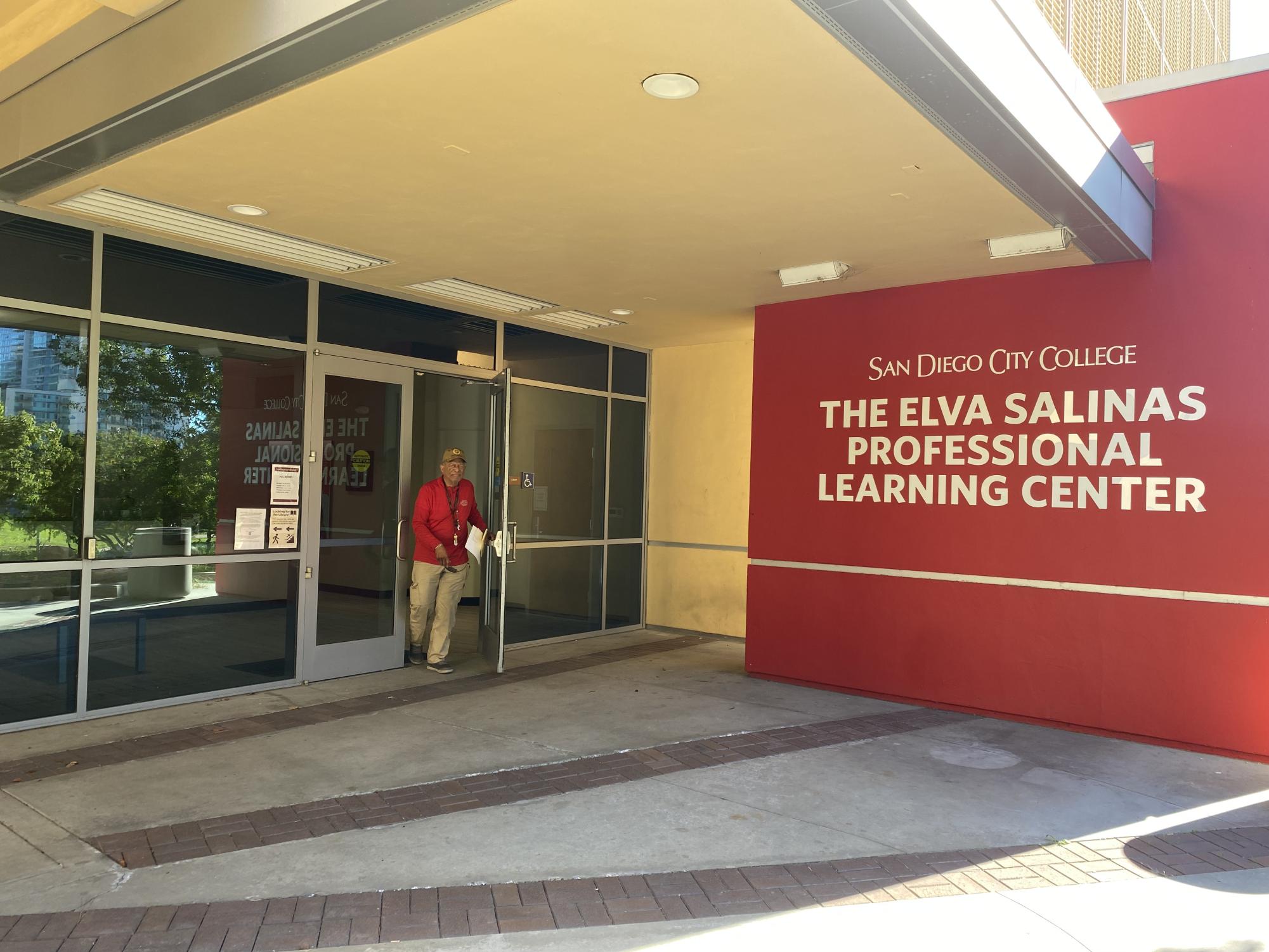

The San Diego Community College District, as part of the collective bargaining agreement with the American Federation of Teachers (AFT) Guild, Local #1931 Classified Professionals, has agreed to green-light a pilot program instituting a 36-hour reduced workweek for its classified professionals starting in January 2026.
The agreement was announced on Nov. 12 by district chancellor Greg Smith in an email to the district’s colleges.
In the email, Smith said the district would use the roughly four-month program, from Jan. 5 to April 3, as an opportunity to gather more data regarding the potential impacts on students and campus services.
“The district and AFT reached a tentative agreement on the new CBA and agreed to continue negotiations on the reduced hour workweek proposal separately,” Smith said in the email. “The negotiations have included the potential for a short-term pilot for a reduced hour workweek that would provide more concrete data and information on the impacts to services and operations.”
At City College, president Ricky Shabazz noted in an email to the college that this would be a relatively small change as the affected hours district-wide look to reduce Friday services, a practice City College already has implemented.
Can’t see the video? Click here. To read a transcript, click here.
Shabazz points to a recent study from the United Kingdom that shows a reduced-hour workweek “boosts wellbeing without harming productivity.”
“As we prepare for the upcoming term, I want to reaffirm my support for our 36-hour workweek pilot and share why this effort is so meaningful for our campus community,” Shabazz wrote in a president’s update email on Dec. 4. “San Diego City College has always been at its best when we prioritize people and center our work on student success. The 36-hour workweek reflects those shared values.”
City College recently launched an informational page to give City students details about what to expect on campus in the spring regarding the 36-hour workweek pilot program.
At a recent Classified Senate meeting held at City College, the news was received by City professionals positively said its senate president Sean Ryan, who works as a multimedia technician in the office of classroom technology management.
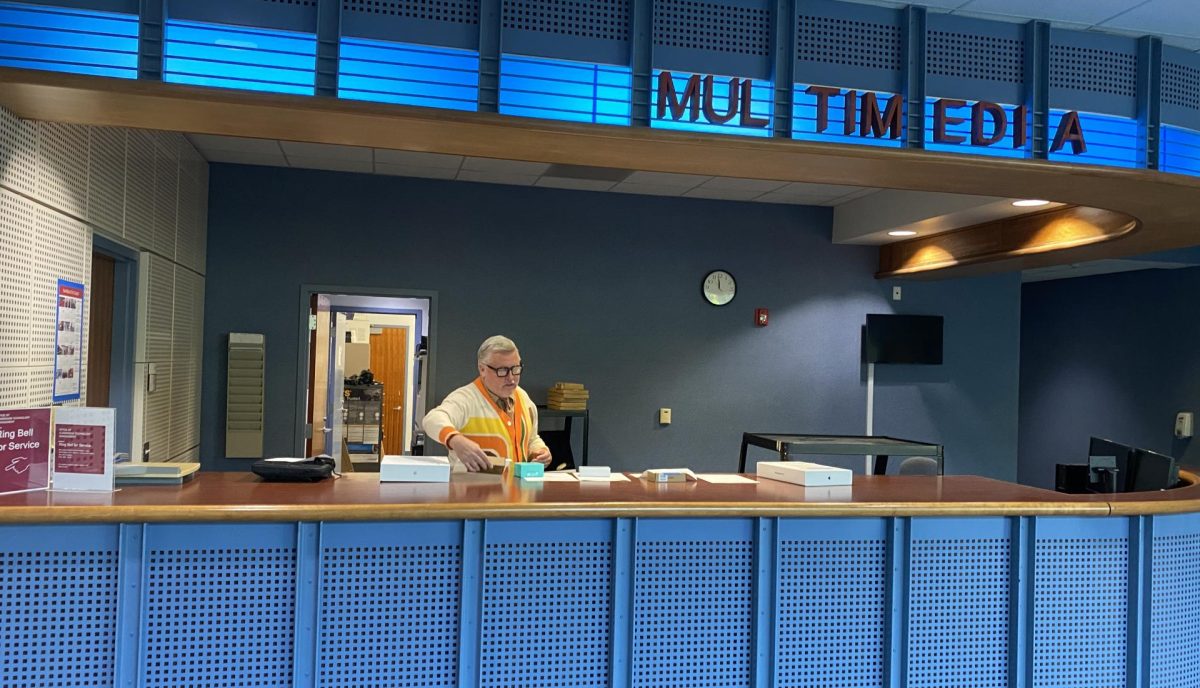
“One way to think about it is that the district is providing us with a pay raise,” Ryan said.
Classified professionals are salaried employees and will work fewer hours for the same amount of money.
These City employees are spread all over campus and include front-facing student services like Outreach and Financial Aid. Some departments will be affected more than others, Ryan said.
“There is an understanding that it’s not a one-size-fits-all,” Ryan said. “There’s gonna be some flexibility in schedules in certain operating hours.”
The new pilot program does present its own set of challenges, and the district’s goal is to address these issues, Ryan said.
One such issue is when classified professionals will find time for career development or to catch up on administrative work that was typically done on Friday afternoons.
“Some of the solutions that we’re doing are targeted professional development opportunities,” Ryan said. “So instead of having a two-hour session, condense everything into about 30 minutes and give classified (staff) opportunities to do work at their own pace.”
Talks with the district and feedback from the colleges will continue throughout the pilot program, beginning on Jan. 5 until the program’s final day on April 3.
“I encourage everyone to embrace this opportunity to critically assess how we currently operate in many areas and identify ways we might improve the quality of our work while expanding work-life balance,” Chancellor Greg Smith said.
“Your feedback on what worked well and what can be improved will help guide our organizational growth and development independent of the outcome of collective bargaining. There will be extensive implementation planning heading into January, including methods for collecting quantitative and qualitative feedback.”
This story was edited by Sajda Sims and Samira Hassan.