Updated, Feb. 13, 2026: A version of this story was previously published at an earlier date and has been updated with new information from the most recent event.
The Welcome Home City program started off its Spring Housing-Focused Speaker Series with a San Diego tenant’s rights workshop.
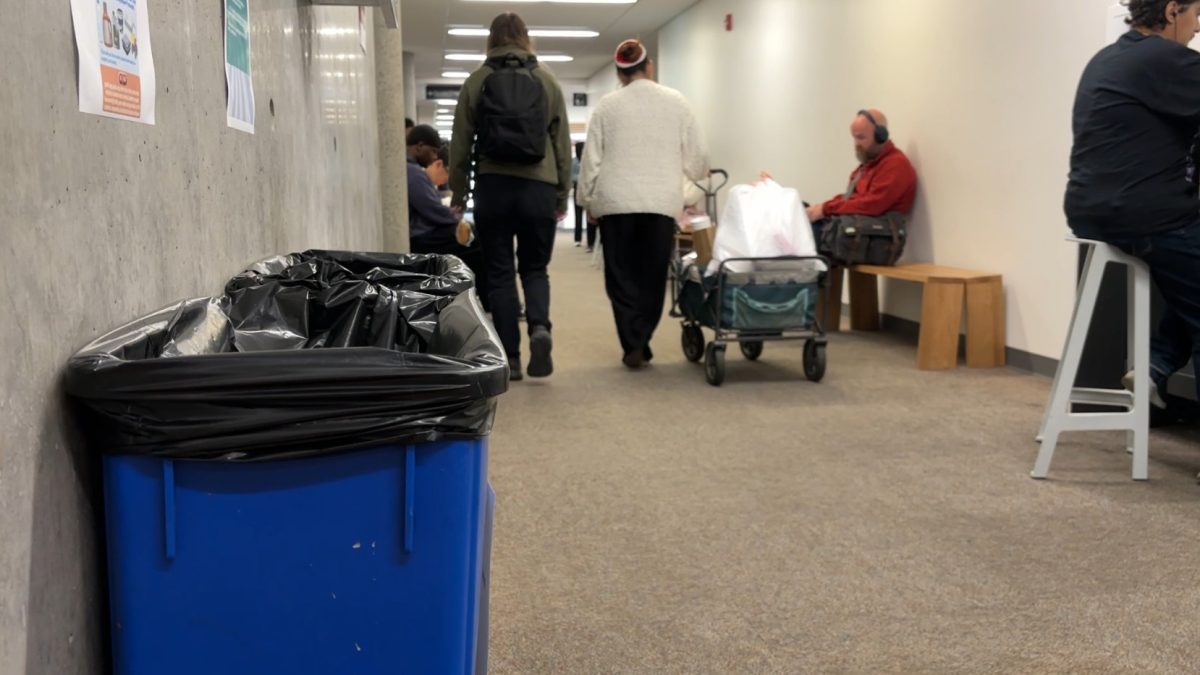
This month’s workshop, held on Feb. 9 at the Basic Needs Center, located in T-341D, focused on equipping students with information on applying for apartments, move-out tips and new assembly bills pertaining to renters rights that have come into law as of January 2026.
What you need to know when applying for residencies: The first step in becoming a tenant is looking for a residency. PATH Housing Navigator Anthony Howard Ramon gave students insight on what to expect when going through the application process.
- Landlords may not charge someone with an emotional support animal a pet deposit, pet rent or require liability insurance for the animal. The only requirement is a letter from a licensed medical professional that states the ESA is part of treatment for a mental health condition.
- Applications may require a certain debt-to-income ratio, and rent-to-income ratio.
- When doing background checks, landlords typically focus on prior evictions and criminal history.
- Criminal convictions should be considered on a case-by-case basis by landlords.
“It’s no longer a blanket ban on felonies,” Ramon said. “It needs to be case-by-case, and most landlords, when they make that decision, they need to explain why your certain conviction got you disqualified.”
Move-out tips: When moving out of a residence, things can get hectic with so much to do. It’s easy to forget some things that may come in handy later. Here are some actions to take before officially moving out.
- Request a pre-move-out inspection within two weeks of your move-out date. Make sure to attend this in person and keep an itemized list of damages.
- Leave the property in the same condition you received it, except for normal wear and tear.
- Take photographs when a final move-out inspection is conducted.
- Get receipt for the keys and proof of move-out date.
“(Landlords) cannot charge for damages not itemized if the tenant requests pre-move-out inspection,” Ramon said. “And the landlord must show receipts for any repairs.”
California Assembly Bills effective as of January 1, 2026: The state of California passed a number of housing legislation pieces in 2025. These are three new tenant protections and rights.
- AB 1414 allows for tenants to opt out of mandatory third-party internet service provider bulk-billing arrangements. This law prohibits landlords from requiring tenants to pay for a bundled internet plan as part of their lease.
- AB 628 requires landlords to provide a working stove and refrigerator as part of their habitability obligations. They can not raise rent solely to cover the costs of these appliances.
- AB 246 adds eviction limits tied to Social Security delays, authorizing tenants to declare Social Security hardship as a defense on an unlawful detainer. This bill is effective until January 20, 2029.
“So this is related to the government shutdown,” said Marco Circosta, a PATH Housing Navigator. “People weren’t getting some of their money and maybe they weren’t able to pay their rent on time, this is a protection for that.”
More housing support for students: The Welcome Home City program aids homeless and housing insecure students in securing long-term housing. To apply for assistance, complete this basic needs assessment.
Students who are eligible for WHC may receive stability-focused general counseling, case management, housing navigation and limited financial assistance, in addition to regularly updated resources.
For questions about the additional housing resources available to students, call (619) 388-3211, email [email protected] or visit the Basic Needs Center in T-341.
Open hours are from 10 a.m. to 2 p.m. Monday through Thursday and 10 a.m. to 1 p.m. on Fridays.
This story was edited by Mari Pliego and David J. Bohnet.