PRIMARY ‘26: Mahan courts moderate voters, backed by Silicon Valley elite (with video)



First in a series of introductions of candidates for California governor running in the 2026 Primary. The top two vote-getters in the primary election – regardless of party preference – move on to the general election in November, according to the California Secretary of State.
Ballots for the 2026 California Congressional, State and Primary Election will begin to appear in mailboxes of Californians after May 4, when the open voting window runs until June 2.
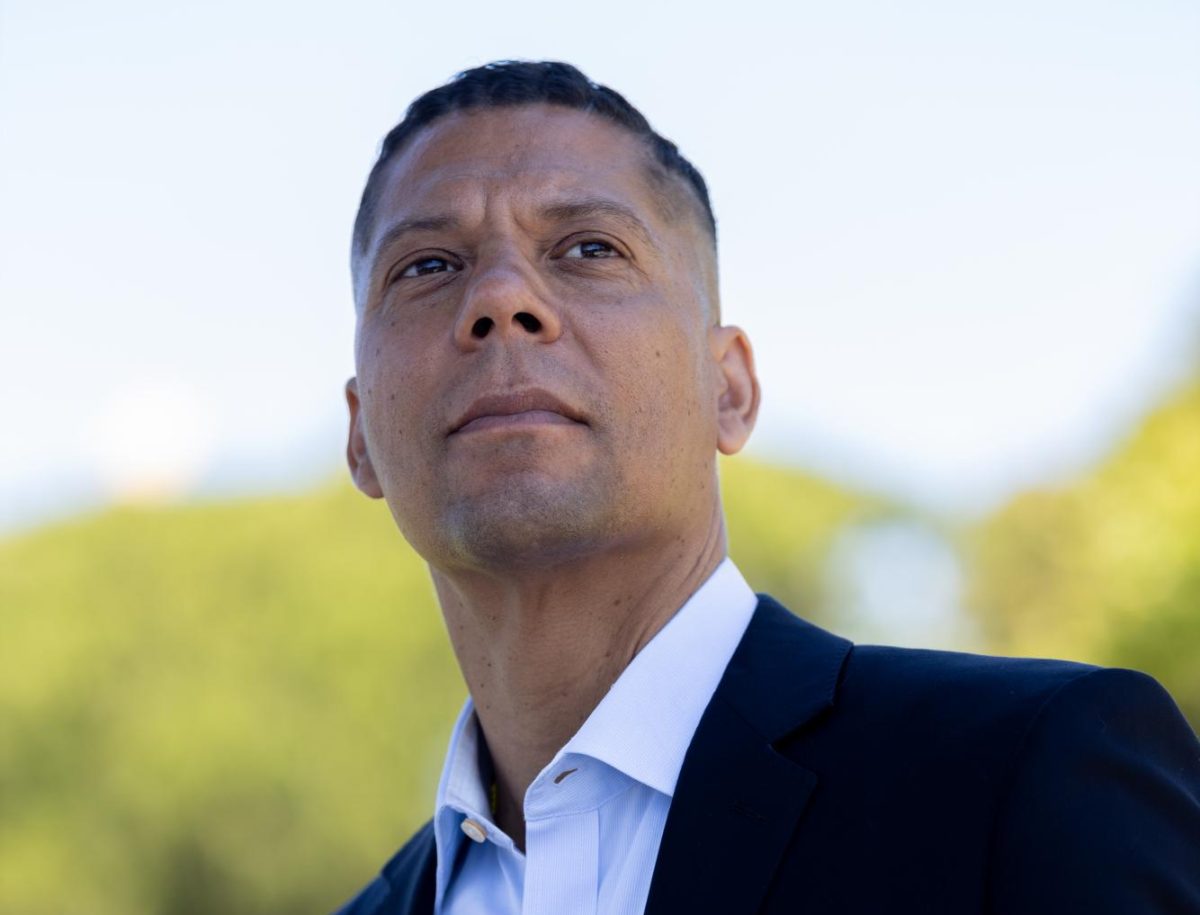
On this year’s ballot, San Diegans will have a wide range of candidates to choose from for governor — but few have a recent record in public service like Democratic candidate Matt Mahan.
Originally from the Monterey Bay area, Mahan attended Harvard and served as class president before graduating magna cum laude with a degree in social policy in 2005.
After college, Mahan joined Facebook co-creator Sean Parker and Causes, a for-profit application and website that supports users in organizing grassroots and public-awareness campaigns.
In 2014, he launched Brigade, a social medium for civic engagement, specifically voting.
Both companies were acquired by Countable, a govtech app, in 2019.
Mahan credits his pursuit of politics rather than law, in part, to a conversation over dinner with CEO and former Harvard alum, Mark Zuckerberg, according to a Joint Ventures article written in 2018.
Before becoming mayor, Mahan served on the San Jose City Council from 2021-2023.
Mahan currently serves as the 67th mayor of San Jose, having been re-elected in 2024.
After only serving two years of his four-year term, San Joseans voted to pass Measure B, which aligned the mayoral elections with presidential elections in order to increase voter turnout.
Mahan won that reelection race for mayor of San Jose in 2024 with 86.6% of the vote.
Now only two years later, Mahan joined a hotly contested 2026 Primary Election in June.
Can’t see the video? Click here.
Mahan’s campaign launched a $3 million TV Ad blitz to let Californians know who he is and why he thinks his experience as mayor of San Jose makes him the right candidate for governor.
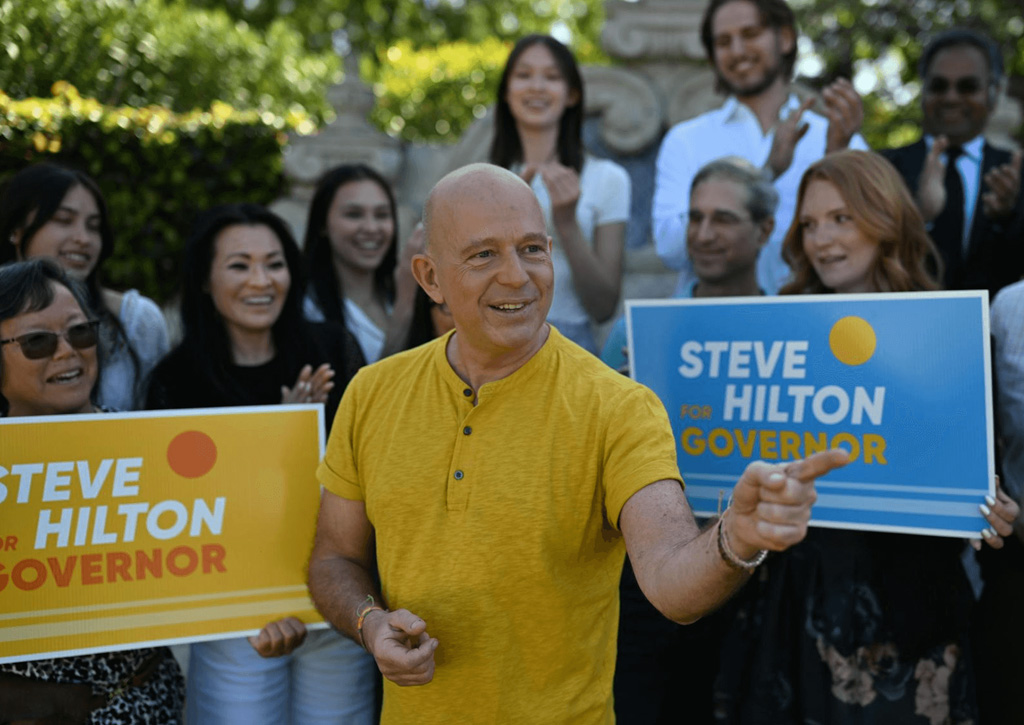
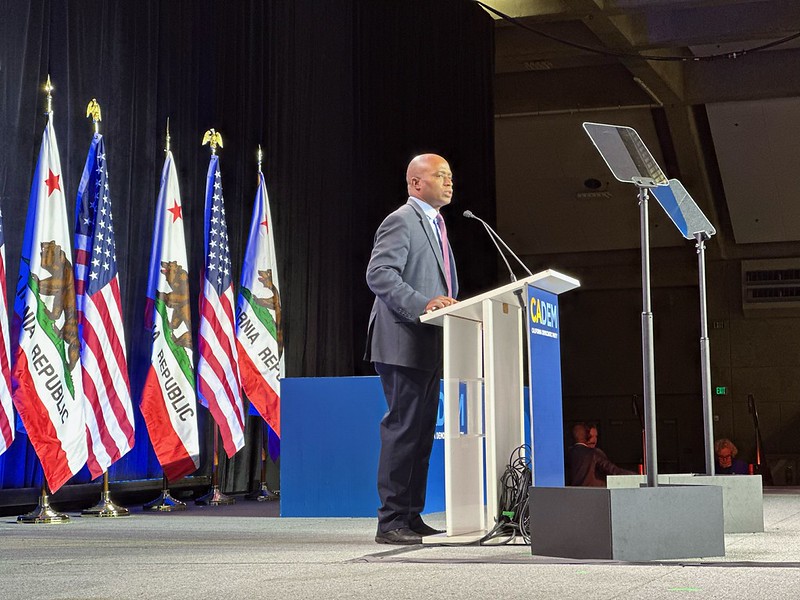
Mahan appeared at a town hall in San Diego on April 19, where he spoke about his record of sheltering the unhoused and shared his vision if elected governor.
In April, City Times Media published the 2026 edition of the San Diego City College Community Agenda, a survey that identified issues that students, faculty, staff and community members cared about most.
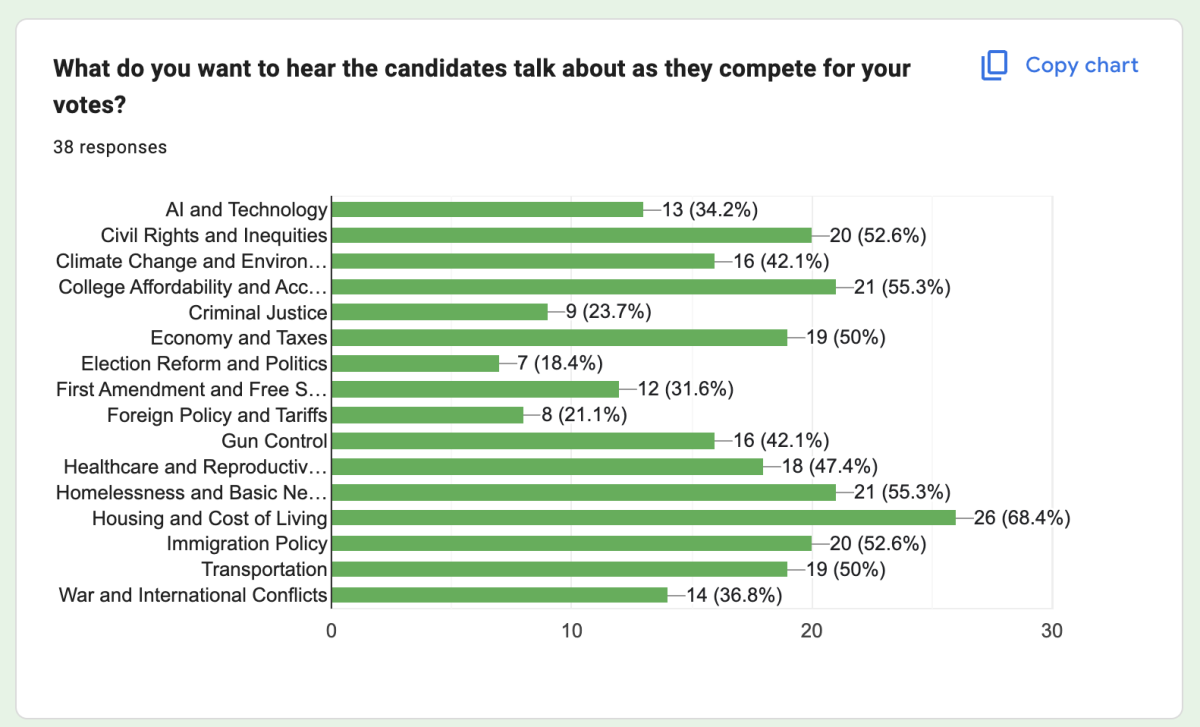
City Times Media is using the results to focus its election reporting, breaking down gubernatorial candidates’ statements shared through official sources and made during debates and forums.
Early survey results identified eight issues shared below that matter most to the City College community, the results of which are shared below as of April 29.
CTM has examined the following issues that have been addressed by Matt Mahan and compiled the following results.

In California’s third-largest city, Mahan has promoted his first-time homebuyer assistance program, cleaning up the streets in San Jose and addressing housing affordability.
“My mission is to make California an affordable place to live, work, and raise a family,” Matt Mahan states on his campaign website. “As Governor, I will attack the taxes, red tape and junk lawsuits that drive up housing costs. I will hold local governments accountable for following state laws, and not standing in the way of new homes getting built.”
The results have been murky, but Mahan counters that the difficulties lie in the bureaucracy, red tape and overall cost associated with building affordable housing.
“Under my leadership, the city cut permitting times dramatically and created a pathway for infill projects that complied with zoning to get permits without fear of bogus environmental lawsuits — all to get new affordable homes built faster,” Mahan states on his campaign for governor website.
In 2016, voters in Santa Clara County, which includes San Jose, approved a $950 million bond known as Measure A, which has shown some progress in housing residents.
According to the Office of Supporting Housing, over 5,700 new apartments have been built in Santa Clara County (which includes San Jose) and housing renovations of over 4,800 affordable units have taken place over the past 10 years.
Many of these programs were in existence before Mahan took office, and since then, federal funding has been put in jeopardy, as the Trump administration attempts to withhold housing assistance money from sanctuary cities that do not comply with immigration enforcement.
San Jose is in the top .01 percent of the most expensive cities in the world, and the cost of living, especially housing, remains a burden for many families.

Mahan has a solid track record of public service dating back to his campaign for City Council in 2020.
He has been successful in raising money and public support after he was elected twice as mayor of San Jose, and in 2024 won with 86.6% of the vote.
Despite holding many policy stances Democrats advocate for, he remains firmly on the side of the tech elite, who wield the money and influence that allow him to continue in the race.
Will he enact substantive policy that benefits Californians if the bottom line of California’s corporate interests is at risk?
Who will he align with in the state’s most powerful position?
Mahan’s track record shows he tends to lean moderate for a Democrat on issues surrounding affordable housing, wealth tax and corporate taxes and prosecuting minor non-violent offenses.
He continues to tap into current sentiments, boasting relief at the gas pump, plans to build trust and solve the housing crisis, but has been relatively quiet on issues of immigration despite representing San Jose, where over 40% of residents were born outside of the U.S., and 30% of residents are Hispanic, according to DataUsa.
He has been a vocal opponent of the wealth tax and has been relatively mum on the encroachment of civil liberties, healthcare and college affordability.
Currently, Mahan is polling around 4.8%, and has seen some upward movement after Betty Ye and disgraced Congressman Eric Swalwell dropped out of the race.
Voters should receive their mail ballot between 29 to 7 days before Election Day, according to the San Diego Registrar of Voters.
For more coverage of the 2026 elections, visit sdcitytimes.com.
This story was edited by Briana Bush and Tresean Osgood.
Update, April 29: Story updated to include election graphic and adjust placement of other visuals.
Your donation will support the student journalists of San Diego City College. Your contribution will allow us to purchase equipment, cover the cost of training and travel to conferences, and fund student scholarships. Credit card donations are not tax deductible. Instead, those donations must be made by check. Please contact adviser Nicole Vargas for more information at [email protected].